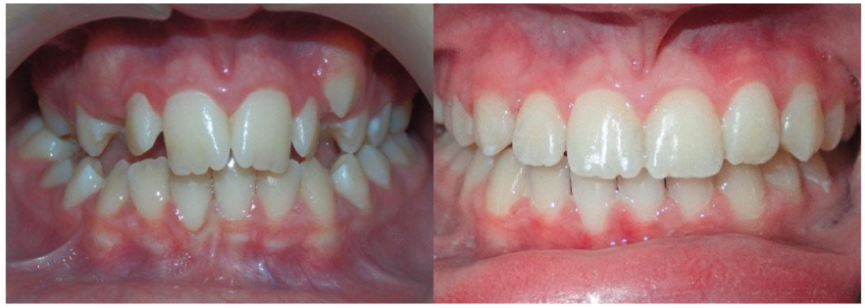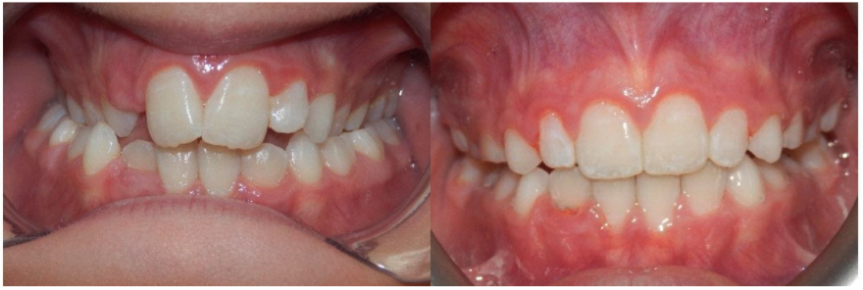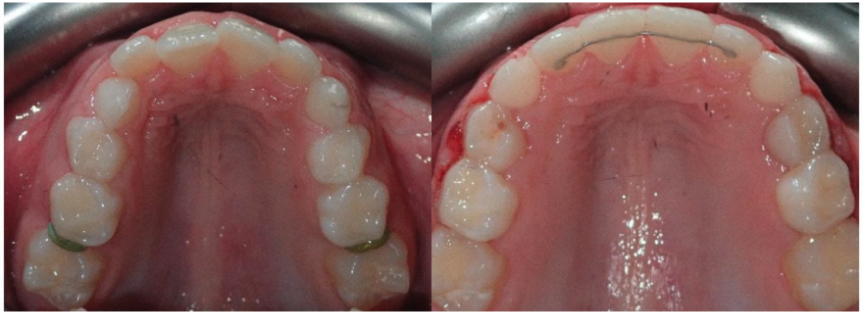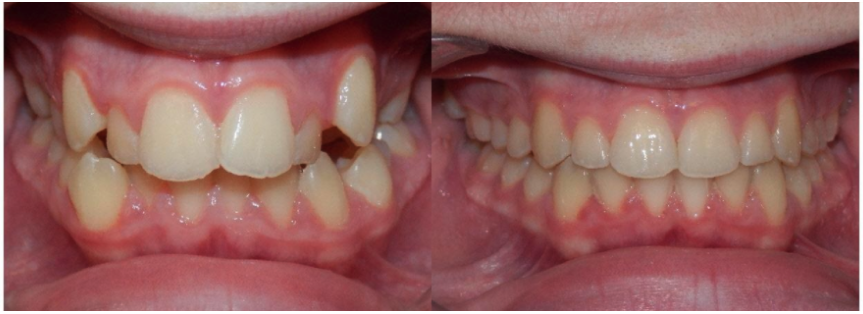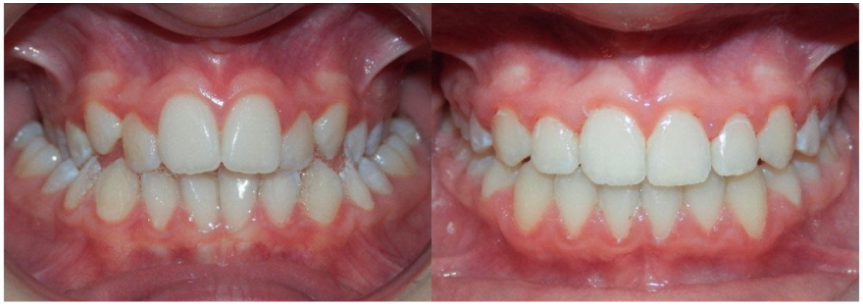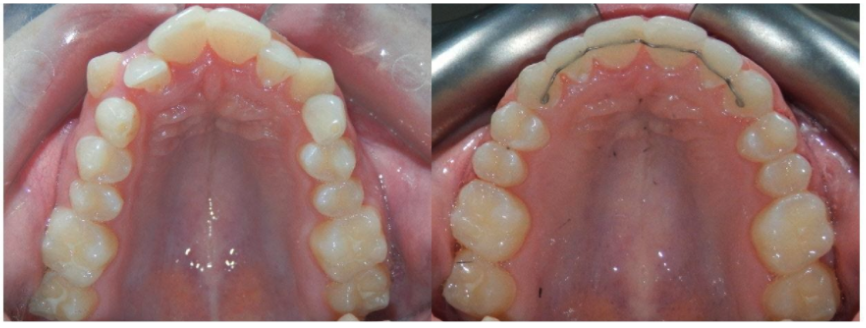
Have you ever heard of palatal expansion? Traditionally, most people believe a broad smile is aesthetically pleasing and more desirable. In terms of functionality, having a wide maxilla or palate (upper jaw bone) means that you are less likely to suffer from overcrowded teeth, jaw discomfort or issues with sleep-disordered breathing. For those who are suffering from a narrow palate, orthodontic treatment such as upper jaw or palatal expansion may be required.
How Does Palatal Expansion Work?
Palatal expansion, also known as dental expansion, jaw expansion and maxillary expansion, is an orthodontic procedure to gradually widen the circumference of the roof of the mouth. A device is fixed to both the palate and upper molars and gradually expanded over a few weeks or months, ideally resulting in an expanded mouth and room for permanent teeth.
Types of Palate Expanders
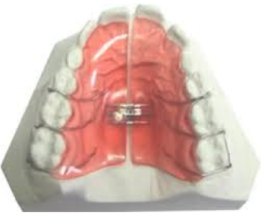
There are a number of devices used to achieve successful palate expansion, all of which use a screw, spring or archwire to achieve the desired outcome. Some of the most commonly used devices include:
Rapid Maxillary Expansion Appliance
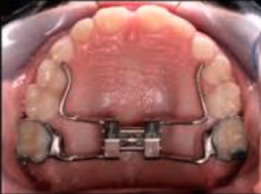 The Rapid Maxillary Expansion Appliance is a metal screw device anchored to the roof of the mouth by orthodontic bands fitted to the upper posterior teeth. This maxillary expander can expand the upper jaw up to 12mm, with each screw turn widening the jaw by 0.25mm. The frequency of turns is determined by whether this device is being used for rapid maxillary expansion (twice per day) or slow maxillary expansion (twice a week). While this device has the largest range of expansion, it can only be used with the assistance of your orthodontist to turn the expander regularly.
Quad Helix Appliance
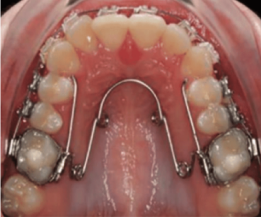 The Quad Helix Appliance expansion device uses springs and helices which are anchored to molar bands. This device is specifically positioned to expand the upper arch in the molar region, as well as the front part of the mouth. While the expansion range of the quad helix (up to 8mm) is not as large as the Rapid Maxillary Expansion Appliance (up to 12mm), it allows you to conduct the widening adjustments at home, eliminating the unease a child may have for daily turning.
Braces
As well as expanders, orthodontists can also achieve substantial dental expansion using braces. Most people are familiar with braces, and for the majority of people with narrow palates, braces can achieve the desired outcome. While the range of expansion achievable using braces alone may not be as large as using an additional expander, excessive expansions are not essential for most orthodontic treatment. In more severe cases, braces can be used alongside an additional expander.
Does Expansion Hurt?
While there is no pain when widening the expander, a child will feel some pressure in the area of the teeth. There may also be a tingling sensation around the nose and area under the eyes. This sensation is often short-lived and disappears within minutes.
Are There Side-Effects to Expansion?
During the course of expansion, patients may experience:
- Discomfort and pain
- Mouth ulcers
- Speech disturbances
However, good treatment planning and retention protocol can achieve amazing outcomes without expanders to avoid this potential discomfort. You can always discuss any concerns you may have with your friendly Ethos Orthodontics team, who will be happy to put you at ease.
After Expander Removal
Although palatal expansion is quite a successful method, long-term studies have shown that they are also subject to relapse. In the cases where over-expansion has occurred, it is necessary to allow for some relapse to occur. Expansion carried out in the maxillary arch should only result in minimal expansion in the lower arch to provide the patient with the best chance of long-term stability. Any expansion in the lower arch is inherently unstable.
Is Palatal Expansion Right For Me?
All orthodontic treatment should be customised based on the individual’s treatment needs. At Ethos Orthodontics, we factor in considerations such as age, growth status, patient discomfort, benefits and disadvantages, lifestyle and long-term stability. Your orthodontist will help you decide whether expansion is a treatment that will work for you. Book a consultation with our orthodontists today to see if expansion is right for you.