
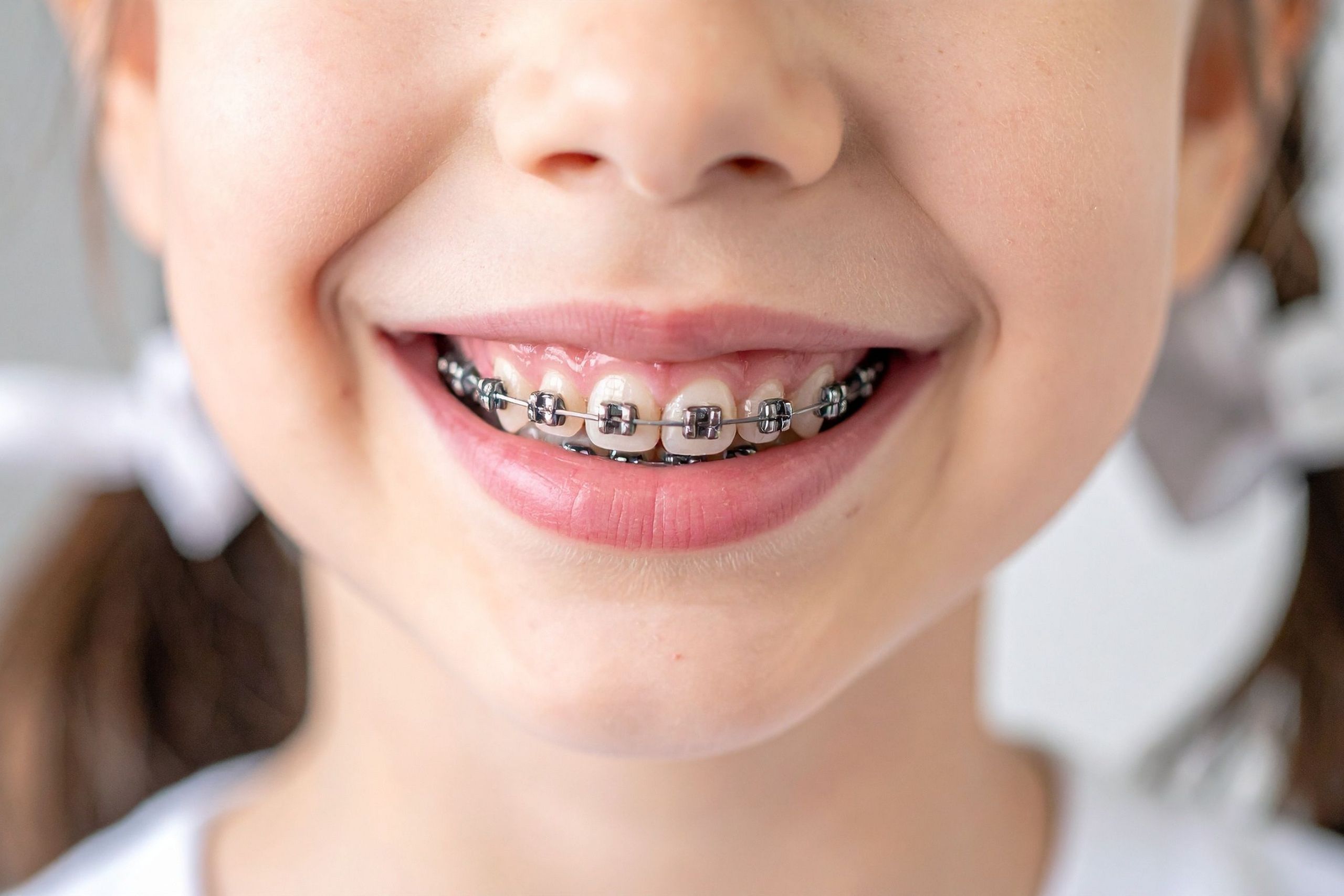
How Long Do Braces Stay on For?
Braces are one of the most effective ways to achieve a straight and healthy smile. But if you or your child are about to begin treatment, you may be wondering: how long do braces stay on for?
The answer depends on several factors, including age, case complexity and the type of braces. Let’s break it down.
Average Time for Braces
On average, most people wear braces for 15 to 24 months. Some cases can be completed in under 12 months, while more complex treatments may take up to 36 months.
This timeframe applies to both braces for kids and braces for adults, although age can influence the overall treatment time.
Braces for Kids: Why Treatment May Be Shorter
Children’s jaws are still growing, which makes correction of overbites and crowding a bit easier. This is why braces for kids sometimes take less time compared to adults. Treatment for children typically starts between the ages of 9 and 14, when most permanent teeth have come through.
Early intervention can also reduce the need for longer or more intensive treatment later on.
Braces for Adults: What to Expect
Many adults are now choosing to improve their smiles with braces. For adults, treatment doesn’t always take longer. In many cases it can actually be faster because we’re typically focusing on aligning the teeth rather than guiding jaw growth. However, when jaw changes are needed, treatment can take a bit longer since the bones are no longer growing and teeth are more firmly set.
Factors That Affect How Long Braces Stay On
1. Case Complexity – Severe crowding, gaps, or bite issues may take longer to correct.2.
2. Patient Cooperation – Following your orthodontist’s instructions, maintaining good oral hygiene and attending regular appointments all play a role in treatment length.
3. Age – As mentioned, children often respond to treatment more quickly than adults but this depends on the desired treatment goals.
What Happens After Braces Come Off?
Even once your braces come off, your orthodontic journey is not finished. To keep your teeth in their new position, you will need to wear a retainer. At Ethos, we use two main types: customised bonded retainers and removable retainers.
A bonded retainer is a thin Titanium wire that is custom-fitted to the back of your front teeth. Because it stays in place all the time, it works quietly in the background to keep your teeth stable without you needing to think about it.
A removable retainer is a clear, custom-made appliance that you can take out for eating, cleaning and brushing your teeth. It gives you more flexibility, but it is important to wear it exactly as your orthodontist recommends.
Both bonded and removable retainers are designed to protect your new smile and stop your teeth from shifting back. At your final appointment, we will talk you through the best option for your smile and give you all the guidance you need to care for it properly.
Ready to Begin Your Braces Journey?
Whether you’re looking at braces for kids or dental braces for adults, the team at Ethos Orthodontics will guide you through every step of the process. We’ll give you a personalised treatment plan so you know exactly what to expect and how long your braces may stay on for.
Take the first step toward a confident new smile today.
👉 Book your consultation with Ethos Orthodontics
Frequently Asked Questions
How long do braces stay on for?
Most people wear braces for 15 to 24 months, although simpler cases can be quicker and more complex cases may take longer. Your orthodontist will give you a personalised timeline at your consultation.
Do braces hurt?
You may feel some tenderness when braces are first fitted or after adjustments. This usually settles within a few days and can be managed with over-the-counter pain relief if needed.
Can adults get braces?
Absolutely. More adults are choosing braces or Invisalign to improve their smiles.
Can I still play sports with braces?
Yes, you can. We recommend wearing a custom mouthguard to protect both your teeth and your braces while playing.
How often do I need to see the orthodontist during treatment?
Appointments are usually every 6 to 10 weeks. These visits are generally very quick but they allow us to check your progress and make any adjustments needed to keep your treatment on track.